
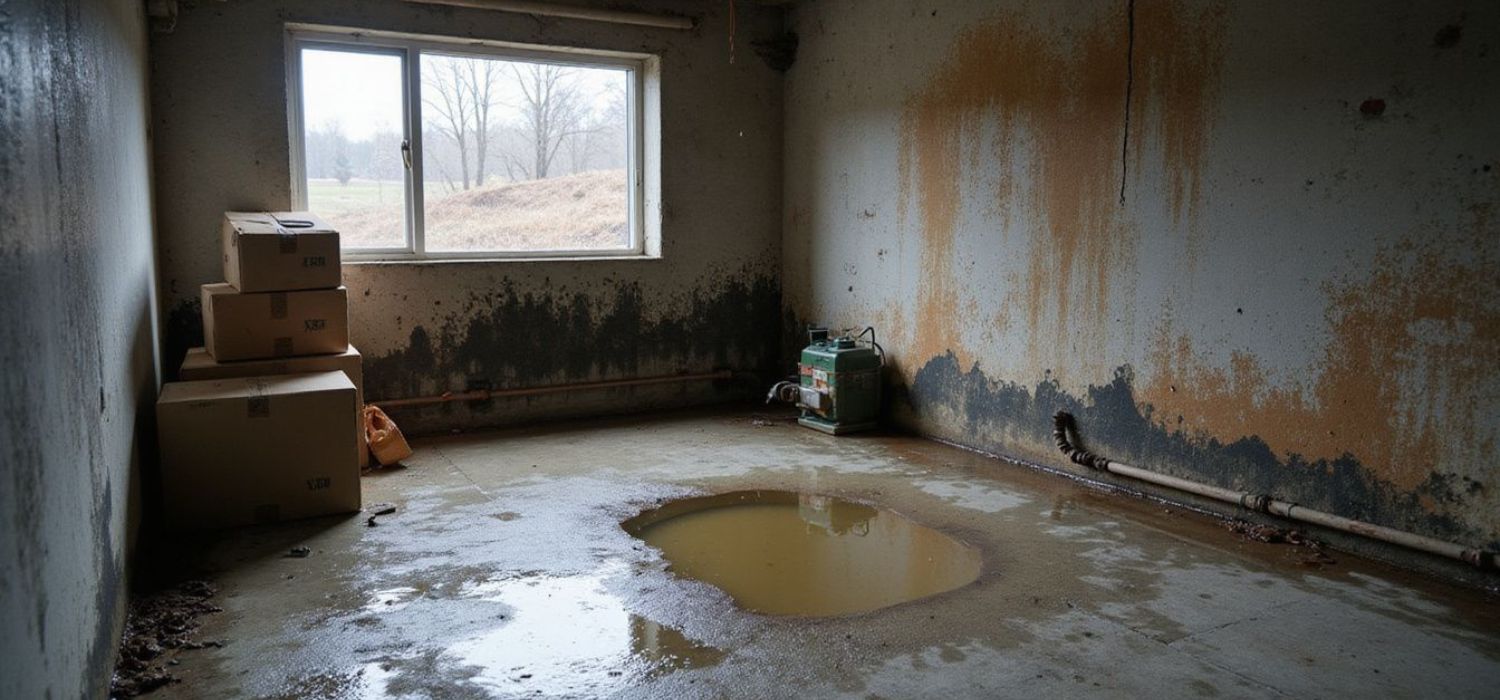
Water in the basement never shows up at a convenient time. One heavy rain can turn a dry space into a damp, musty problem area, and in the Ozarks, that kind of shift can happen quickly. Between steady humidity and sudden storms, basements in southwest Missouri deal with a constant mix of moisture pressure and unpredictable water movement.
At Firm Foundation Repair, we work with homeowners and commercial property owners across the region to manage these challenges. Our waterproofing contractors’ focus remains on identifying the source of the water, improving drainage around the structure, and installing waterproofing systems that withstand changing conditions. When you understand how the Ozarks’ weather affects your foundation, it also becomes much easier to spot issues early and choose solutions that actually last.
Living in the Ozarks means dealing with weather patterns that keep soil moisture levels high for much of the year. Long periods of damp ground allow water to build up around foundations, and when a strong storm hits, that pressure can increase quickly.
The terrain adds another layer of complexity. Many areas across southwest Missouri sit on karst landscapes, where water moves through underground channels in limestone and similar rock. That means moisture doesn’t always behave in a predictable way. A yard may appear dry on the surface while water builds up beneath, eventually finding its way into a basement through cracks or joints.
Humidity also plays a role. Even when you don’t see standing water, moisture in the air can linger and create that familiar musty smell. Over time, that damp environment can affect stored items, wood framing, and indoor air quality.
Seasonal changes make things even more interesting. Freeze-and-thaw cycles can widen small cracks in concrete, giving water new entry points. A minor issue one season can become a noticeable leak the next.
In the Ozarks, soil rarely stays completely dry. Rainfall throughout the year keeps the ground saturated, and that moisture presses against the basement walls and floors. When water can’t drain away efficiently, it looks for the easiest path into the structure.
Cracks in foundation walls, gaps around pipes, and the joint where the wall meets the floor are all common entry points. Even tiny openings can allow water to seep in when pressure builds outside.
We often see signs of moisture before full leaks develop. A faint damp line along the wall, chalky residue on concrete, or peeling paint can all indicate water moving through the foundation. These early clues matter because they help us address the issue before it turns into standing water or structural damage.
Storage areas tend to reveal the problem first. Cardboard boxes soften, metal items begin to rust, and wood surfaces may warp slightly. Those changes happen gradually, which is why regular checks are so important.
Rain in southwest Missouri doesn’t always fall gently over time. Instead, it often comes in bursts, which can overwhelm drainage systems and saturate the soil. When that happens, groundwater levels rise, increasing pressure against basement walls.
That pressure, often called hydrostatic pressure, pushes water through cracks and porous materials. In more severe conditions, water can even rise through cracks in the floor or around a sump area if it is not properly sealed.
The key to managing this type of problem is controlling both the amount of water around the foundation and the path it takes. Sealing cracks helps, but long-term success usually comes from combining sealing with drainage improvements and water management systems.
Simple observations during or after a storm can tell you a lot. Watching where water collects around your home or building helps identify areas that need attention. If runoff flows toward the foundation instead of away from it, that is often where problems begin.
Basement waterproofing protects the structure, improves indoor conditions, and helps preserve the property’s value. Moisture around a foundation can lead to long-term structural stress. Over time, that pressure may contribute to cracks, uneven floors, or shifting walls. Addressing water issues early reduces the risk of more extensive repairs down the road.
Indoor air quality also improves when moisture is controlled. Damp environments encourage mold growth and musty odors, which can spread through a building and affect comfort. Keeping the basement dry helps create a healthier space overall.
For commercial properties, waterproofing protects equipment, inventory, and operational areas. Even small amounts of moisture can disrupt daily activities, so maintaining a dry environment is essential for keeping things running smoothly.
When water builds up around a foundation, it doesn’t simply sit there. It applies pressure, finds weak points, and gradually works its way inside. Over time, this process can affect the strength and stability of the structure.
Cracks may widen, walls may begin to bow slightly, and doors or windows might stop closing properly. These changes often happen slowly, which makes them easy to overlook at first.
We address these issues by combining foundation repair with water management. Stabilizing the structure is important, but reducing the moisture that caused the problem is just as critical. By handling both, we help ensure the repair performs well over time.
Moisture doesn’t always show up as standing water. In many basements, the bigger issue is humidity. When air stays damp, it creates the perfect environment for mold and mildew.
Controlling that moisture starts with keeping water out, but it also involves managing humidity levels inside the space. A well-designed system reduces liquid water and airborne moisture, making the environment less inviting for mold growth.
Even small changes can make a difference. Keeping items off the floor, improving air circulation, and addressing leaks quickly all help maintain a drier space. When those efforts are combined with proper waterproofing, the results tend to last.
Every building handles water a little differently, so the right approach depends on how moisture is entering and how the property is set up. In many cases, the best results come from combining multiple solutions into one system.
Interior drainage systems work well when water enters along the wall-floor joint or through floor cracks. These systems collect water at the perimeter and direct it to a sump pump, which then moves it safely away from the building.
We design these systems to handle changing conditions, including heavy rainfall and rising groundwater. A reliable sump pump plays a key role, and proper discharge routing ensures that water doesn’t return to the foundation.
Exterior waterproofing focuses on preventing water from reaching the foundation wall. This approach may involve sealing exterior cracks, applying a protective barrier, and improving drainage at the base of the foundation. Surface grading also plays a part. When the ground slopes away from the structure, water naturally flows in the right direction rather than collecting near the walls.
Crawl spaces often contribute to basement moisture problems. When ground moisture rises into the space, it can affect the entire building. We address this by installing vapor barriers, improving drainage, and repairing structural components when needed. These steps help reduce humidity and protect the building from long-term moisture damage.
Catching moisture issues early makes a big difference. While every property is different, a few signs tend to show up consistently.
A musty smell often points to lingering humidity. Damp spots or discoloration on walls can indicate water movement through concrete. Cracks, even small ones, should be monitored because they can grow over time.
Checking your property after a heavy rain can also reveal useful information. Look for areas where water collects near the foundation or where runoff does not drain properly. These observations help guide the next steps.
The Ozarks bring a mix of weather conditions that can challenge even the best basements. Steady moisture, heavy rains, and shifting soil all play a role in how water interacts with a foundation. Without the right systems in place, even a small issue can turn into a larger problem over time.
At Firm Foundation Repair, our waterproofing service focuses on practical solutions that manage water at its source and protect structures for the long term. By combining drainage improvements, waterproofing systems, and foundation repairs as needed, we help keep basements dry and usable year-round.
Basement waterproofing helps manage the heavy rainfall, humidity, and soil conditions common in the region. It reduces the risk of water damage and helps protect the structure.
Leaks often come from saturated soil, poor drainage, and cracks in the foundation. Water builds up around the structure and seeps inside.
Interior drainage systems, sump pumps, foundation repair, and improved drainage all work together to control water and protect the space.
Joplin, MO Location:
Business Name: Firm Foundation Repair
Address: 625 S Eagle Crest Lane, Joplin, MO 64801
Phone: (417) 317-6499
Business Hours:
Mon - Sun: 05:00 AM to 08:00 PM
24/7 Emergency Services Available
Springdale, AR Location:
Business Name: Firm Foundation Repair
Address: 1556 E Emma Ave, Springdale, AR 72764
Phone: (479) 212-1161
Business Hours:
Mon - Fri: 06:00 AM to 05:00 PM
Sat-Sun: Closed
Members of the NFRA (National Foundation Repair Association)
Sponsor Teach A Man To Fish Foundation
Partner with Youth Groups to send kids on mission trips
Donate to St. Jude and Living Water Foundation around the world
"Zero down, Zero interest payment program" through Sunlight Financial
25 Year Warranty
