
Heavy rain has a way of making homeowners nervous, especially when the basement starts to smell damp or water begins creeping toward storage boxes and finished walls. Around Springfield, MO, storms can dump a lot of water in a short time, and when the ground becomes saturated, that moisture often pushes against the foundation.
At Firm Foundation Repair, we help homeowners protect their basements and crawl spaces with reliable sump pump systems, drainage solutions, and waterproofing services designed for southwest Missouri conditions. Whether you already have a sump pump or you’re trying to figure out if you need one, understanding how these systems work can make a big difference when the next storm rolls through.
Basement water problems are common throughout Missouri, especially during spring and early summer storms. According to data referenced in regional housing reports, roughly one in five Missouri homes experience some type of basement moisture issue each year. That doesn’t always mean full flooding. Sometimes it starts with damp walls, musty smells, or small puddles near the foundation.
Springfield’s combination of heavy rainfall, clay-rich soil, and seasonal humidity creates the perfect environment for water buildup around foundations. When the soil becomes saturated, pressure increases around basement walls, and water looks for the easiest path inside.
That’s where a sump pump comes in. A properly installed system helps collect groundwater before it spreads across the basement floor. Instead of allowing water to sit around the foundation, the pump redirects it safely away from the home.
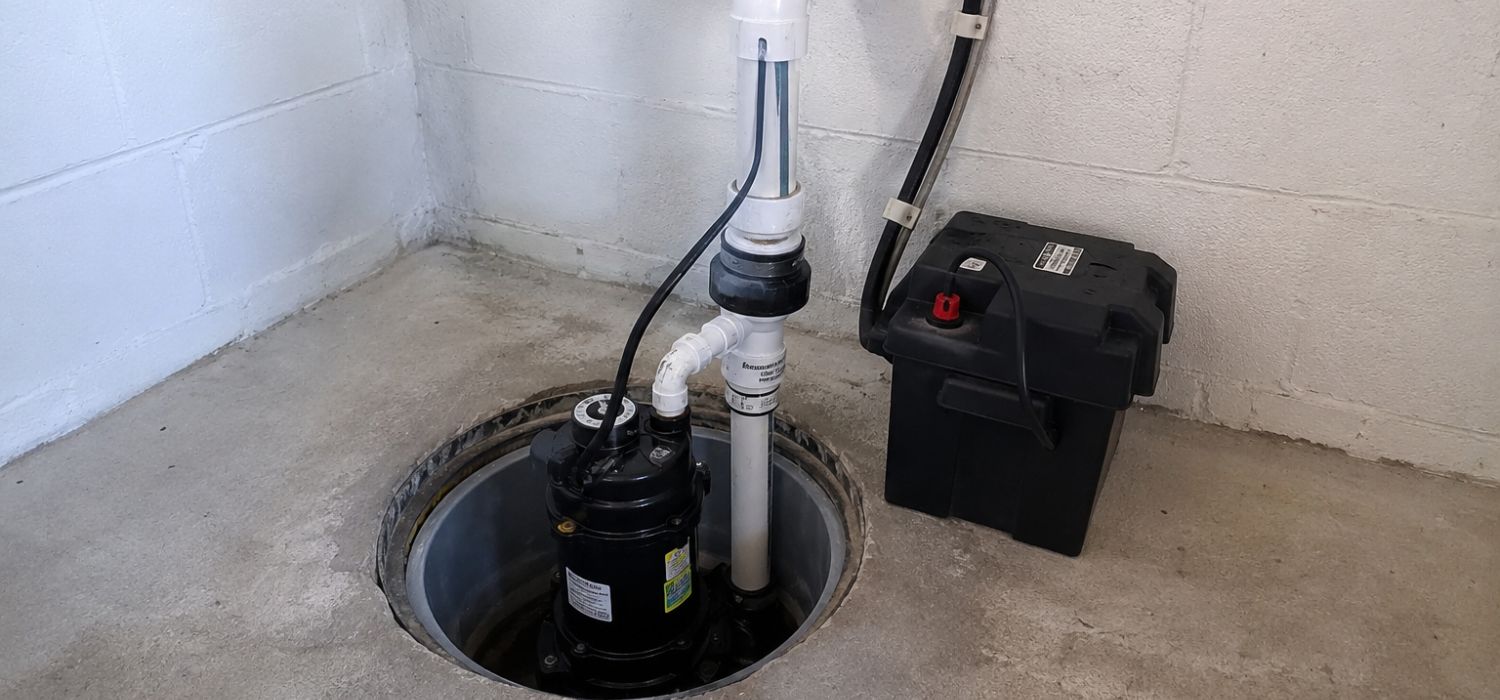
A sump pump sits inside a basin, often called a sump pit, located at the lowest point of the basement or crawl space. As groundwater collects in the pit, a float switch rises with the water level. Once the water reaches a certain level, the pump activates automatically and pushes it out through a discharge line away from the foundation.
The process itself is pretty simple, but the system only works well when every part is functioning correctly. If the float gets stuck, the discharge line clogs, or the pump motor wears out, water can back up quickly.
Sump pumps are hardworking systems, but they don’t last forever. Most units begin showing signs of wear after several years of heavy use, especially in areas with frequent storms and high groundwater levels.
One of the most common warning signs is unusual noise. Grinding, rattling, or clanking sounds often point to motor or bearing problems. A sump pump shouldn’t sound like it’s fighting for its life every time it turns on.
Frequent cycling can also signal trouble. If the pump constantly switches on and off during mild weather, the float switch may be failing, or the pump may no longer be operating efficiently.
Rust and visible corrosion are worth paying attention to as well. Moisture exposure eventually takes a toll on metal components, and once corrosion spreads within the system, performance usually declines.
Sometimes homeowners notice the problem indirectly. A damp basement after heavy rain, standing water near the sump pit, or a musty smell that keeps returning may all indicate the pump is no longer handling water properly.
Power outages create another major concern in Springfield. Storms that knock out power can also flood a basement. Without a backup system in place, even a good sump pump becomes useless once the power shuts off.
Not every home needs the same type of sump pump. The right setup depends on the size of the basement, the amount of groundwater around the property, and how quickly water collects during storms.
In many Springfield homes, submersible sump pumps work well because they sit directly inside the sump basin and operate quietly underwater. Homeowners with finished basements often prefer these systems since they produce less noise and stay out of sight.
Pedestal pumps are another option. These systems keep the motor above the pit, making them easier to service, though they are usually louder and more visible.
Pump capacity matters too. A small unit may struggle during heavy rainfall if the property regularly experiences fast water buildup. We help homeowners determine the right horsepower and pumping capacity based on drainage conditions and basement layout.
Discharge routing also plays a major role in performance. Pumping water out of the basement doesn’t help much if the discharge line empties right beside the foundation. We make sure drainage routes carry water safely away from the structure to reduce the chance of it cycling back toward the basement.
One of the biggest mistakes homeowners make is assuming the main sump pump will always be enough. Unfortunately, the worst flooding often happens during severe weather events when power outages are most likely.
Battery backup systems help keep water moving even if electricity goes out. Some homeowners also choose water-powered backups or generator-compatible systems for additional protection.
A backup pump may seem unnecessary until the middle of a storm when the primary system suddenly stops working. Having that second layer of protection can prevent major cleanup costs and water damage.
We also recommend testing backup systems regularly. A battery that hasn’t been tested in years may not perform when you actually need it.
A sump pump works best when paired with good drainage and waterproofing practices. If large amounts of water constantly collect around a foundation, the system has to work much harder than it should.
That’s why we often combine sump pump installation with drainage improvements, basement waterproofing, or crawl space moisture control. Redirecting water away from the home reduces stress on the sump system and helps keep the basement drier overall.
Sometimes small changes make a noticeable difference. Cleaning gutters, extending downspouts, and improving grading around the home can reduce water buildup near the foundation during heavy rain.
When moisture problems continue, interior drainage systems or waterproofing solutions may be necessary to control the issue.
A sump pump doesn’t need constant attention, but regular maintenance goes a long way toward preventing failure.
Testing the pump every few months helps confirm the float switch activates properly. We also recommend checking the discharge line for clogs or freezing damage, especially after winter weather.
Keeping the sump pit free of debris allows water to flow more efficiently through the system. Dirt, gravel, and buildup inside the basin can reduce performance over time.
Routine inspections also help identify aging components before they fail. Replacing a worn pump in dry weather is much easier than dealing with a flooded basement during a storm.
Springfield, MO, weather can put a lot of pressure on basements and foundations, especially during periods of heavy rain. A dependable sump pump system helps protect your home by moving groundwater away before it turns into a bigger problem.
At Firm Foundation Repair, our waterproofing experts help homeowners throughout southwest Missouri find reliable sump pump solutions, improve drainage, and keep their basements dry through changing weather conditions. Understanding how these systems work and knowing when they need attention can help you avoid costly water damage and unnecessary stress.
A sump pump helps control groundwater, but long-term protection often works best when combined with proper drainage and waterproofing solutions.
Most sump pumps last around 7–10 years, depending on how often they run and how well they are maintained.
We recommend testing your sump pump every few months and after major storms to make sure it activates properly.
Without backup power, the sump pump will stop working. Battery backup systems help keep water moving during outages.
Joplin, MO Location:
Business Name: Firm Foundation Repair
Address: 625 S Eagle Crest Lane, Joplin, MO 64801
Phone: (417) 317-6499
Business Hours:
Mon - Sun: 05:00 AM to 08:00 PM
24/7 Emergency Services Available
Springdale, AR Location:
Business Name: Firm Foundation Repair
Address: 1556 E Emma Ave, Springdale, AR 72764
Phone: (479) 212-1161
Business Hours:
Mon - Fri: 06:00 AM to 05:00 PM
Sat-Sun: Closed
Members of the NFRA (National Foundation Repair Association)
Sponsor Teach A Man To Fish Foundation
Partner with Youth Groups to send kids on mission trips
Donate to St. Jude and Living Water Foundation around the world
"Zero down, Zero interest payment program" through Sunlight Financial
25 Year Warranty
