
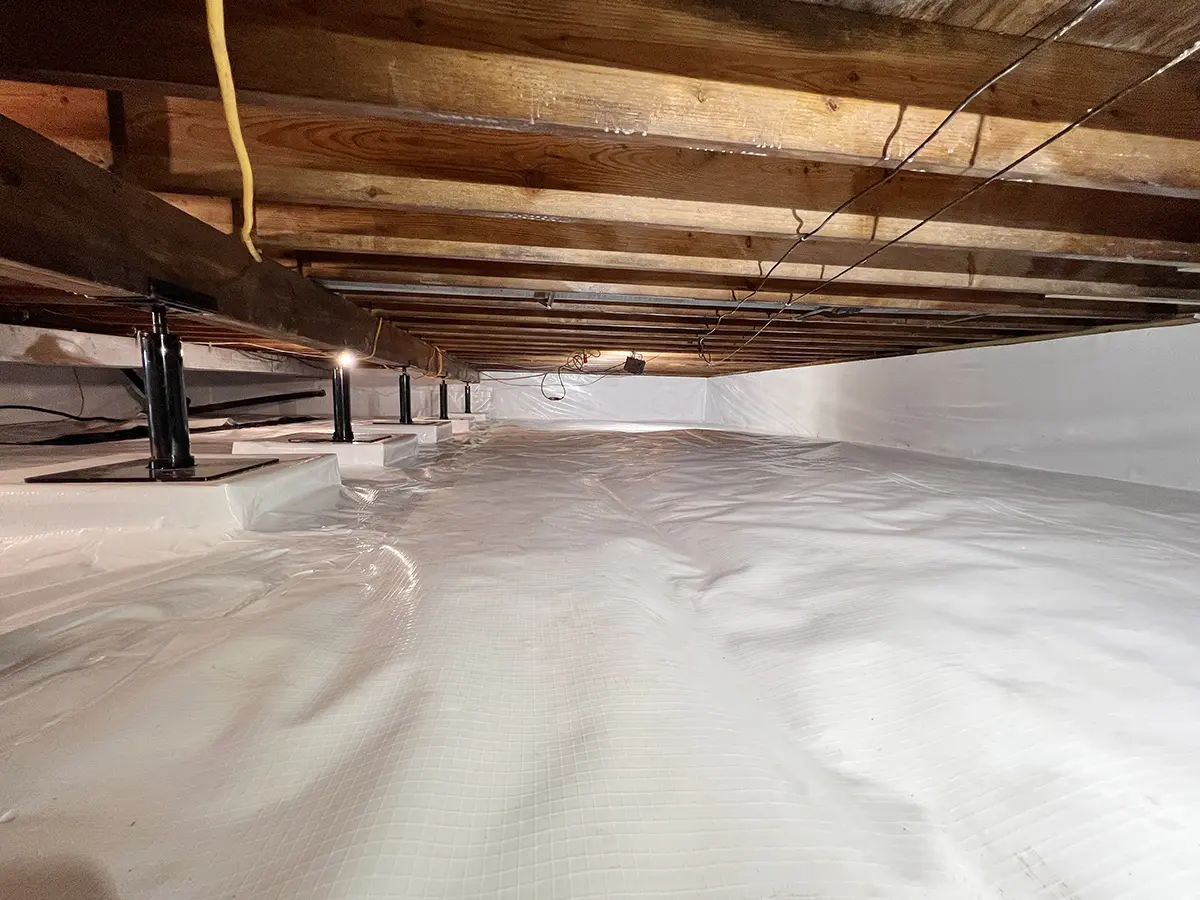
Many homeowners search for signs that basement waterproofing is needed after finding water or damp spots following a rain. Standing water on the floor after a storm signals serious water intrusion. This often pushes homeowners to research solutions and test fixes.
In this post, we point out wet-basement warning signs and explain common issues like moisture, efflorescence, mold, water stains, and cracks. We also recommend practical fixes such as sump pumps, interior drains, dehumidifiers, gutters, downspouts, and foundation repair solutions.
Read on to learn what to watch for and how to protect your home.
Water damage in basements often appears before major structural problems develop. You need to watch for any early warning signs, as spotting these issues helps protect your home’s foundation and indoor air quality.
Standing water and puddles on the basement floor are major signs of water intrusion. Standing water ranks high among wet basement warning signs and often shows up after heavy rain or poor landscaping drainage.
Even small pools in corners or along wall-floor joints point to active foundation moisture problems. Such leaks weaken foundation walls and create conditions for mold and mildew that hurt indoor air quality.
At Firm Foundation Repair, we recommend solutions like exterior perimeter drains, drainage channels, and sump pumps to redirect water away from your valuables and reduce flooding risks. French drains or waterproof membranes also work well as part of residential waterproofing and concrete repair plans.
These measures protect structural integrity and address wet basement warning signs before the problem worsens.
Water stains and discoloration on walls signal a serious issue. You might spot yellow, orange, or black stains that indicate efflorescence and the presence of moisture. These colors appear where water has seeped through cracks.
Rust-colored stains can show metal contact with water. Dark streaks might reveal paths of moisture moving through the surface.
Paint may peel or bubble due to pressure from trapped moisture behind it. Cove joint seepage occurs when water seeps between the wall and floor joints, signaling an urgent need for waterproofing solutions.
Standing water creates puddles in your basement, leading to further damage over time if these signs are ignored. Disregarding these warning signs will only lead to bigger problems down the road.
Efflorescence appears as white, chalky deposits on your basement walls. This sign clearly indicates moisture problems. When water seeps through masonry and evaporates, it leaves behind mineral salts that form this efflorescence.
You must recognize this issue quickly because it can lead to even bigger problems, such as foundation cracks and leaks.
Noticing efflorescence means you need to take action soon. Your concrete walls absorb moisture from the soil, which affects the air quality in your basement. High humidity levels may show themselves as condensation on walls alongside the efflorescence.
Cracks in the walls or floors signal serious trouble. Spalling masonry can weaken your basement, making it susceptible to leaks and damage.
Cracks in walls or floors often signal potential water entry points. Small fractures can grow larger over time, leading to severe issues if ignored. Stair-step cracks frequently appear in masonry and highlight structural movement.
These cracks might also invite moisture into your basement. Floor cracks near drains frequently indicate drainage system failures, and you must act quickly if you see these signs.
Bowing due to wet soil pressure causes many of these issues. Addressing them promptly helps prevent further damage from happening in your home.
Spalling occurs when water seeps into concrete or masonry. The moisture freezes during cold months, causing cracks and chips to form on the surface. This damage worsens over time if it is not addressed properly.
Spalling is commonly spotted in basement walls exposed to the freeze-thaw cycles of Iowa and Illinois winters. Crumbling walls signal serious structural issues that need your immediate attention.
Deteriorating masonry also shows signs like peeling paint or efflorescence on walls. These indicators reveal moisture pressure building beneath the surface, which worsens the problem. If you ignore these signals, damaged mortar joints may allow even more water to enter your basement, leading to extensive repairs later.
Identifying these issues early can help you prevent significant foundation damage. Maintaining a strong structure is easier with the products and solutions supplied by experts like Firm Foundation Repair.
Musty odors signal hidden moisture in your basement. High humidity and condensation can lead to serious problems if we don’t address them right away.
Musty odors fill your basement with a clear warning. These smells indicate high humidity levels and possible mold or mildew growth. Often, they signal hidden moisture issues within the walls or floors.
This dampness can lead to wood rot and attract pests like termites and rodents, further worsening the musty smell.
Living with these odors can harm your health, as increased humidity may trigger allergies and respiratory problems. Mold spores spread quickly throughout homes, creating much larger problems over time.
Detecting these smells early demands careful inspection and effective waterproofing solutions to safeguard your space from moisture damage.
High humidity leads to condensation in your basement. You should keep basement humidity below 60% to reduce the risk of mold growth. High moisture levels often show up as condensation on cold surfaces, especially during summer months.
That wetness feels uncomfortable and indicates that you have too much moisture entering your space.
Efflorescence may appear on walls, signaling excessive dampness and further proof of water intrusion. Rust forming on appliances or floor vents points to prolonged exposure to moisture.
Using a dehumidifier system helps maintain dryness and improves air quality. An effective dehumidification method can create a much healthier living environment for your family.
Mold thrives in damp areas, making your basement a perfect breeding ground. You might also notice an uptick in pests when mold is present, as insects find moisture appealing and may invade your space.
Visible mold or mildew growth indicates a moisture issue in your basement. This growth appears in various colors, such as white, green, gray, or black. It is often found lurking in corners or behind stored items where air cannot circulate well.
Small patches of mold might seem easy to clean, but they will often come back unless you fix the original source of the moisture.
Brown and black spots can show up on walls and mildewed materials. If you overlook these signs, mold could lead to wood rot and attract pests like termites and rodents. High humidity levels may also worsen allergies for those with respiratory issues.
Left untreated, mold can make your basement unusable and severely damage your home.
Damp basements attract many pests. You may often see centipedes, silverfish, and pill bugs when moisture levels rise. These insects thrive in wet conditions, and their presence indicates a serious problem.
Mold can also grow in damp areas, leading to wood rot. This decay may further invite termites and rodents into your space. Musty odors signal high humidity that draws in pests as well.
It’s essential to tackle these issues promptly for a healthier basement environment. Firm Foundation Repair supplies the highest-quality products at the forefront of effective crawl space repair solutions.
Basement waterproofing is essential for maintaining a safe and healthy home. You must address signs like water stains, cracks, and mold promptly. These indicators signal moisture issues and suggest potential damage to your foundation.
Taking action now will protect your space from future problems.
Joplin, MO Location:
Business Name: Firm Foundation Repair
Address: 625 S Eagle Crest Lane, Joplin, MO 64801
Phone: (417) 317-6499
Business Hours:
Mon - Sun: 05:00 AM to 08:00 PM
24/7 Emergency Services Available
Springdale, AR Location:
Business Name: Firm Foundation Repair
Address: 1556 E Emma Ave, Springdale, AR 72764
Phone: (479) 212-1161
Business Hours:
Mon - Fri: 06:00 AM to 05:00 PM
Sat-Sun: Closed
Members of the NFRA (National Foundation Repair Association)
Sponsor Teach A Man To Fish Foundation
Partner with Youth Groups to send kids on mission trips
Donate to St. Jude and Living Water Foundation around the world
"Zero down, Zero interest payment program" through Sunlight Financial
25 Year Warranty
